Korea has four clear seasons. Spring and autumn are the most popular times to visit thanks to mild, comfortable weather — spring brings cherry blossoms, autumn brings colorful foliage.
Summer is hot and humid with a rainy monsoon stretch, and winter is cold and dry. Pack for the season you're visiting.
- Best overall: spring (Apr–May) and autumn (Sep–Nov) — mild and comfortable.
- Summer (Jun–Aug) is hot and humid with a rainy monsoon; pack light + an umbrella.
- Winter (Dec–Feb) is cold and dry; bring a warm coat and layers.
- Cherry-blossom and fall-foliage timing shifts every year — check that year's forecast.
✓ Verified facts
- Best seasonsspring (Mar–May), autumn (Sep–Nov)
- Summerhot/humid, monsoon
- Wintercold, Seoul avg ~ -2°C
ⓘ General seasonal characteristics. Cherry-blossom and fall-foliage dates shift each year.
Mild temperatures, lower humidity and big scenery: cherry blossoms in spring, fiery foliage in autumn. These are peak travel seasons, so book accommodation early.
June–August is hot and humid, with a rainy monsoon stretch (usually late June–July) and occasional late-summer typhoons. Breathable clothes and a compact umbrella are essential.
December–February is cold and dry, with Seoul often below freezing and some snow. Indoor heating is strong, so dress in layers you can peel off.
The four seasons, and what to pack
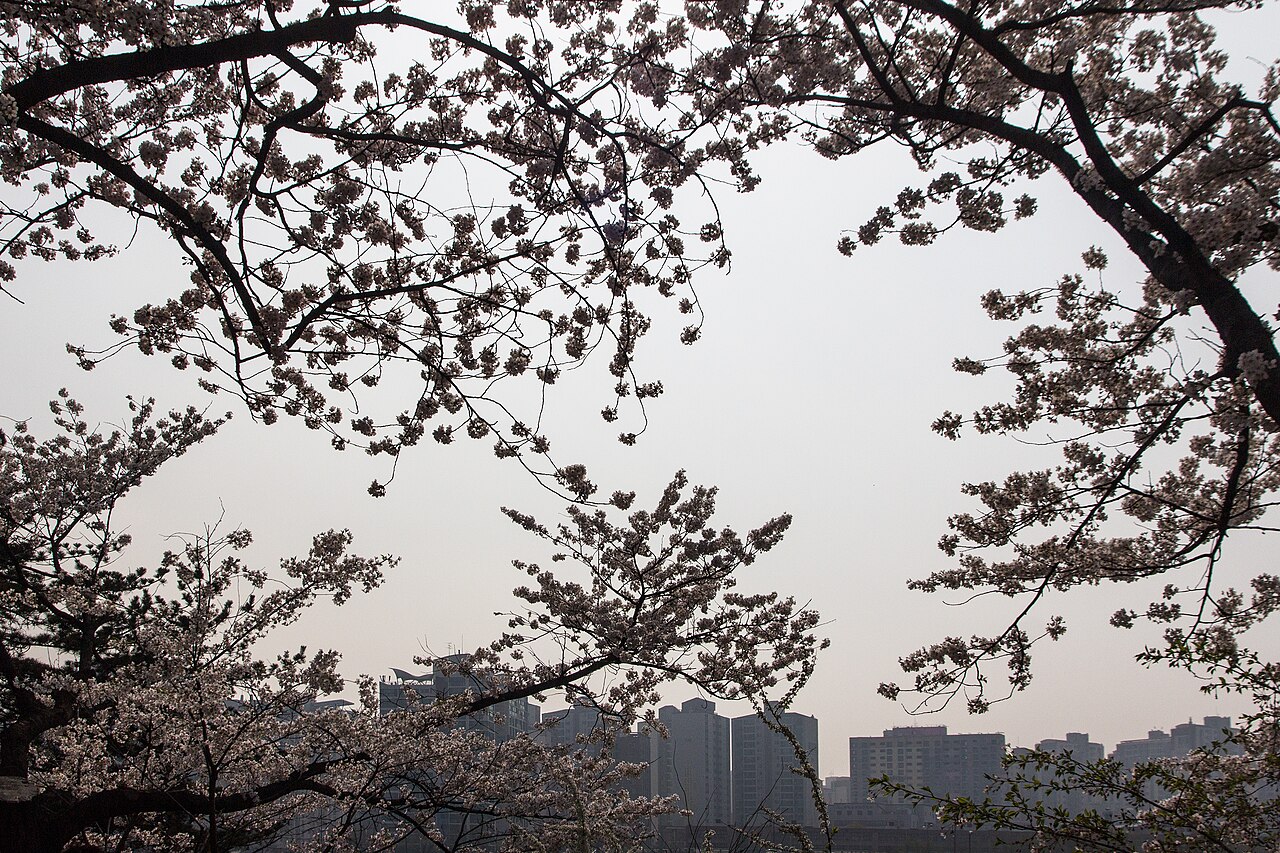
Spring
Mild, cherry blossoms, occasional fine dust.
Pack: Light layers, a light jacket, and a mask on high fine-dust days.
🧭 See cherry-blossom spots →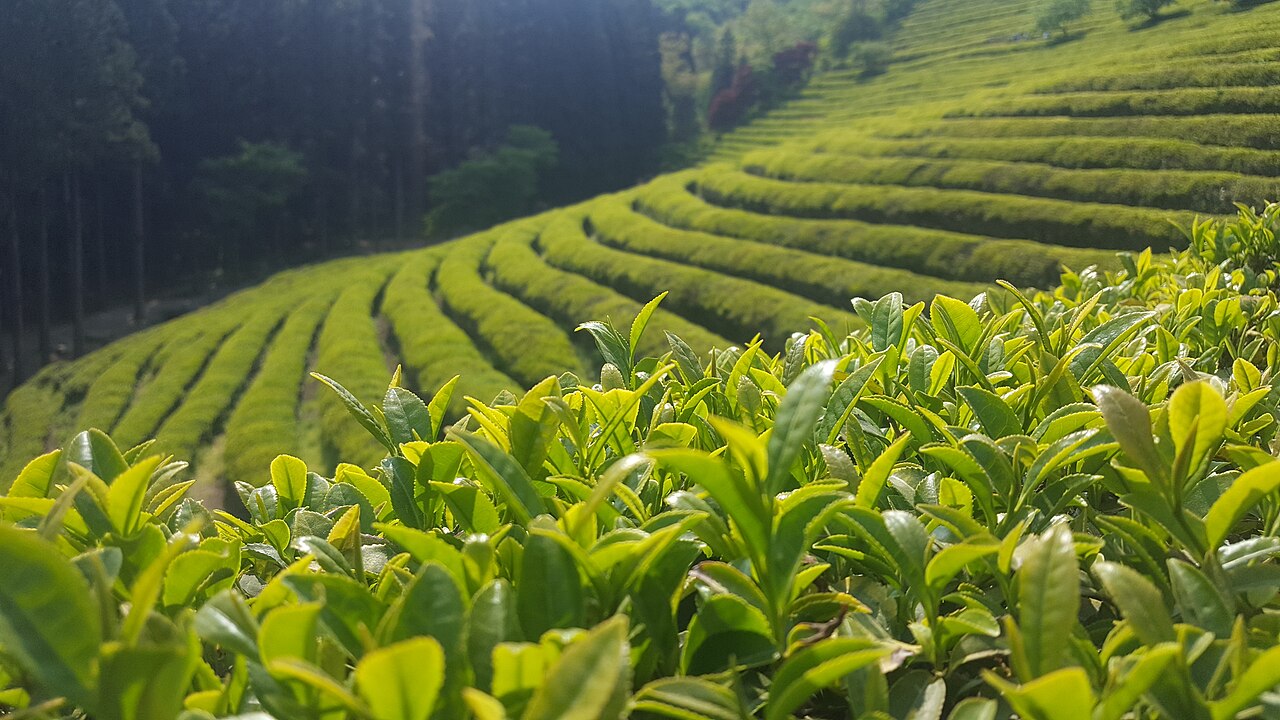
Summer
Hot, humid, monsoon rain, some typhoons.
Pack: Breathable clothes, a compact umbrella, sunscreen, and a layer for strong AC.
🧭 Summer beaches & escapes →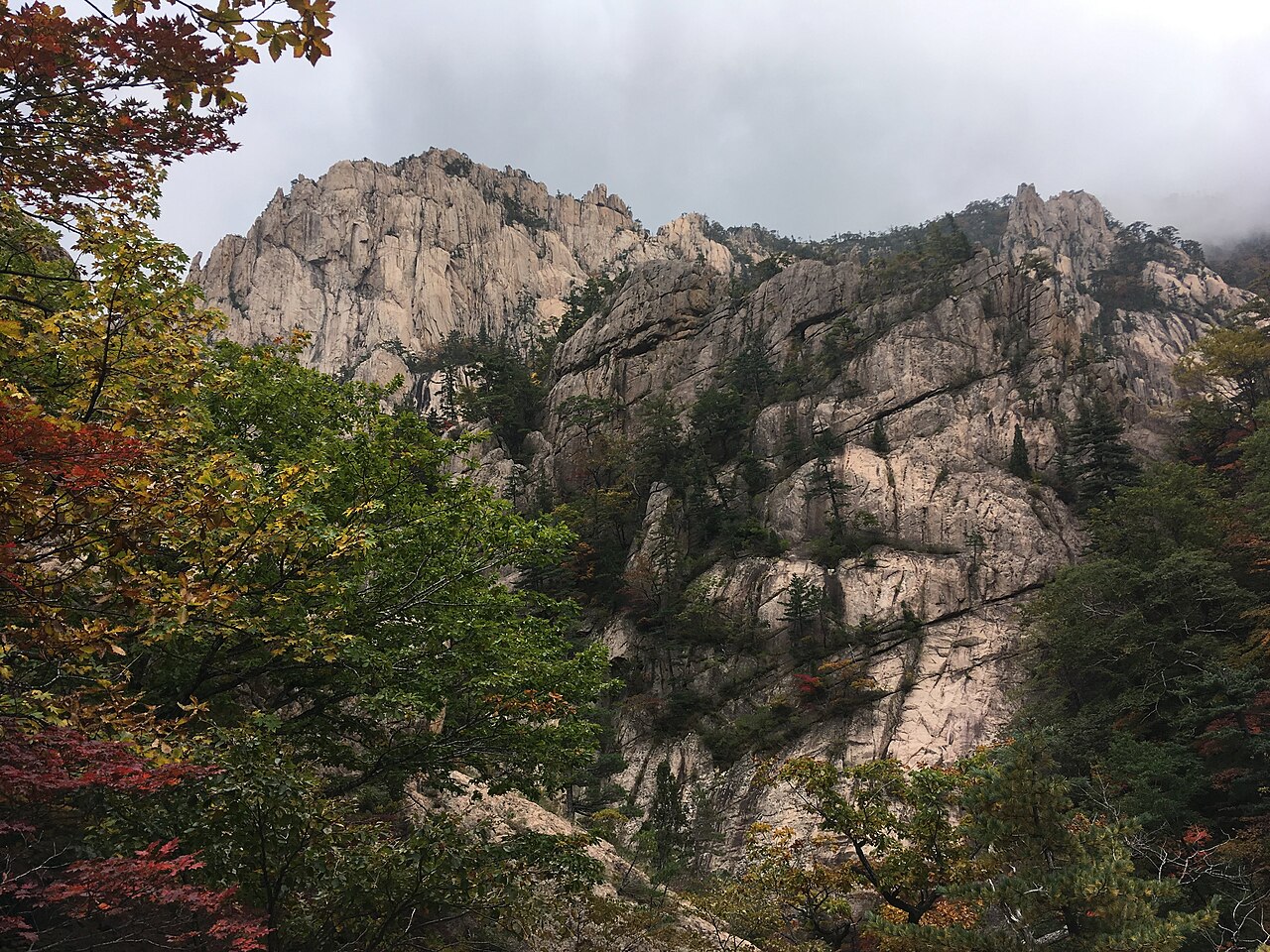
Autumn
Crisp, clear and dry — prime hiking and foliage.
Pack: Light layers and a warmer jacket for late autumn.
🧭 See autumn-foliage spots →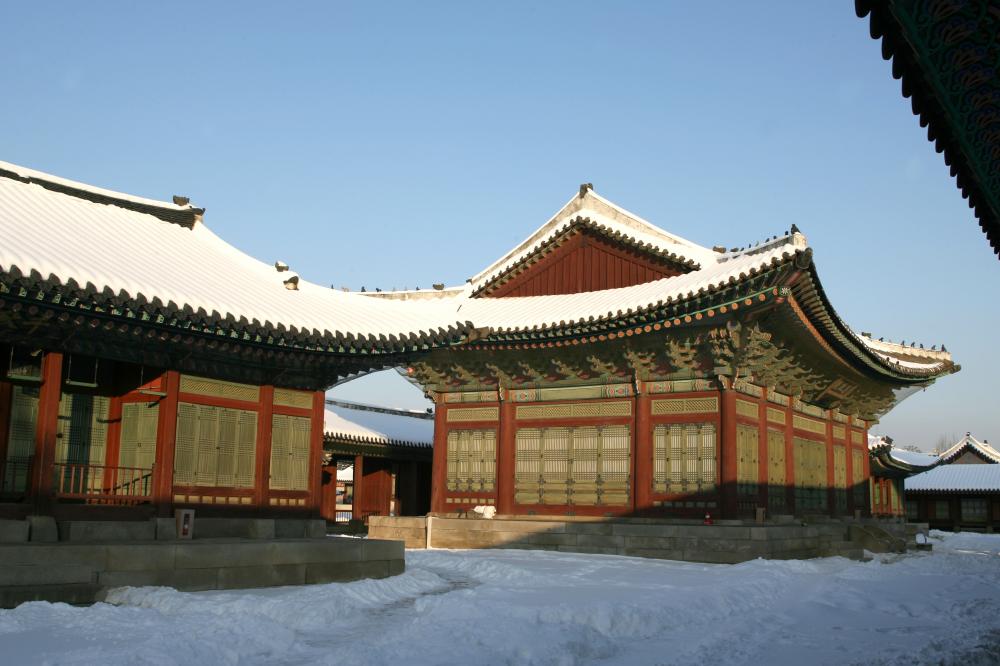
Winter
Cold and dry, Seoul below freezing, some snow.
Pack: A warm coat, hat/gloves, and layers for strong indoor heating.
🧭 Winter highlights →📷 Photo credits
- Spring — Alexey Komarov · CC BY 3.0
- Summer — S Shamima Nasrin · CC BY-SA 4.0
- Autumn — Ludovic Peron · CC BY-SA 4.0
- Winter — Korea.net / KOCIS · CC BY-SA 2.0
Notable times to plan around
Roughly late March to mid-April, earlier in the warmer south (Jeju/Busan) than in Seoul. Exact dates move each year — follow that year's blossom forecast.
Usually mid-October to early November, starting in the mountains and north and moving south. Check the current-year foliage forecast.
A rainy stretch, generally late June into July. Trips are still fine — just plan indoor options and carry rain gear.
Air quality can dip in spring (and at times winter). Check an air-quality app; wear a mask on bad days.
Weather mistakes to avoid
Cherry-blossom and foliage peaks shift by a week or more each year. Don't lock non-refundable plans to a fixed date — track the forecast.
Late June–July can bring heavy rain. Pack a real umbrella/rain jacket and have indoor backups.
It's not just hot — it's humid. Hydrate, plan midday indoor breaks, and dress for strong indoor air-conditioning.
Seoul winters bite. A proper coat, plus a layer for very warm indoor heating, beats one thick jumper.
On high fine-dust days, a mask and fewer strenuous outdoor plans make a real difference.
Weather FAQ
When is the best time to visit Korea?
Spring (April–May) and autumn (September–November) are the most comfortable — mild, drier and scenic. They're also the busiest, so book early.
When do the cherry blossoms bloom?
Roughly late March to mid-April, earlier in the south. The exact peak shifts each year, so follow that year's blossom forecast rather than a fixed date.
Is summer a bad time to go?
It's hot, humid and has a rainy monsoon (late June–July), but it's far from a write-off — just pack light, carry an umbrella and plan some indoor time.
How cold does winter get?
Seoul is often below freezing in December–February, with some snow. It's cold and dry; a warm coat and layers handle it, and indoor heating is strong.
What's 'fine dust'?
Fine dust (미세먼지) is airborne particulate pollution that can rise in spring and at times winter. Check an air-quality app and wear a mask on bad days.
Official sources
Travel facts are checked against official sources with a verification date. Prices, schedules and visa rules change — always confirm at the linked official source before you travel.