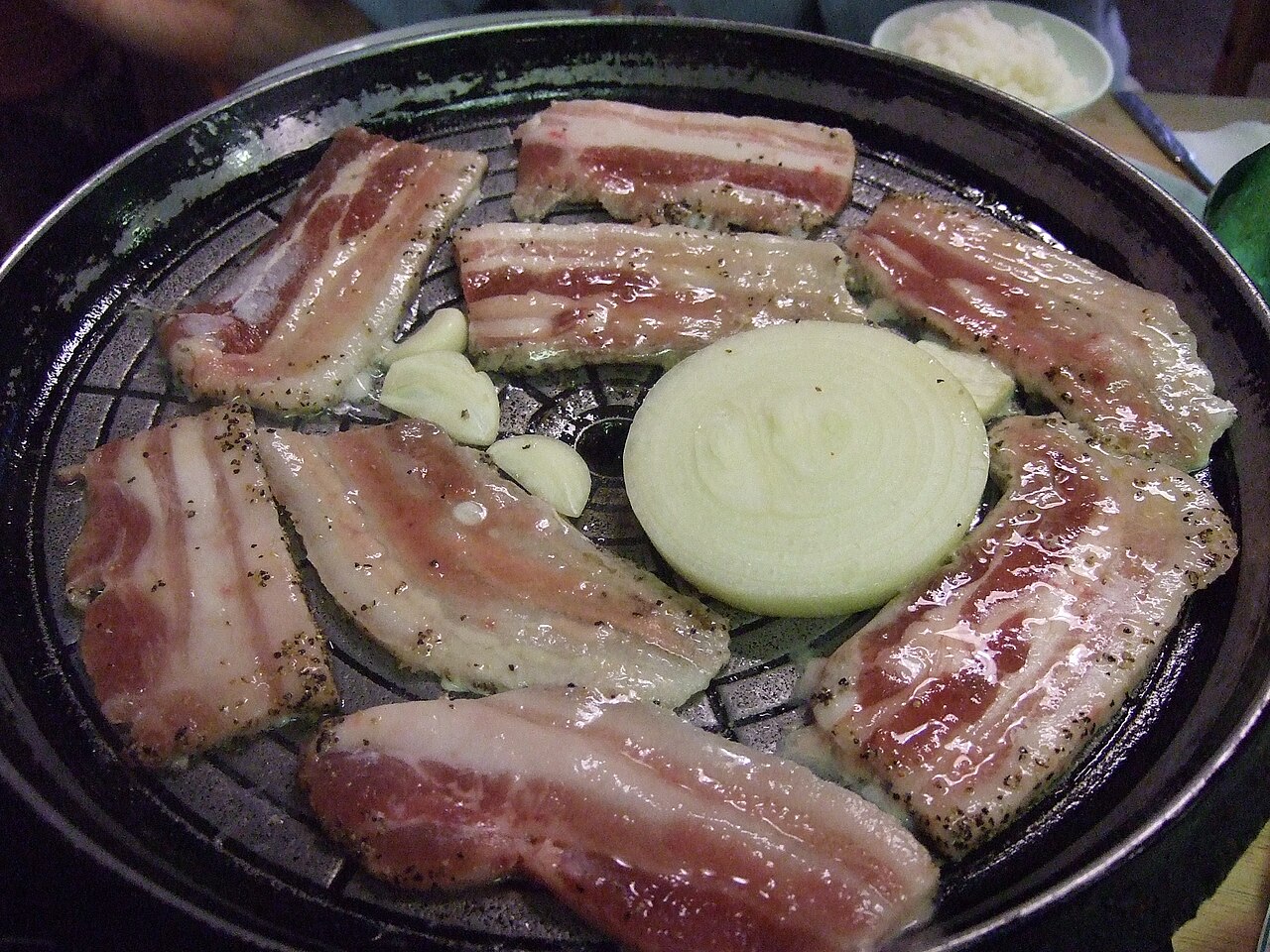
 Grill
GrillKorean BBQ
Samgyeopsal (pork belly) and galbi grilled at your table, wrapped in lettuce with ssamjang and garlic. Staff often grill for you, and the meal usually ends with cold naengmyeon or a sizzling fried-rice finish.
Where to eat, and hands-on classes to cook it yourself. Prices vary — we don't invent them.
Ratings and rankings live inside apps — and the most visitor-friendly ones work in English. These are ordered by how easy each is to use in English.
💡 Korean-only apps still show star ratings, photos and review counts you can read at a glance — use your phone's camera translate for the words. For curated English picks, VisitKorea's official food guides are a great start.
GrillSamgyeopsal (pork belly) and galbi grilled at your table, wrapped in lettuce with ssamjang and garlic. Staff often grill for you, and the meal usually ends with cold naengmyeon or a sizzling fried-rice finish.
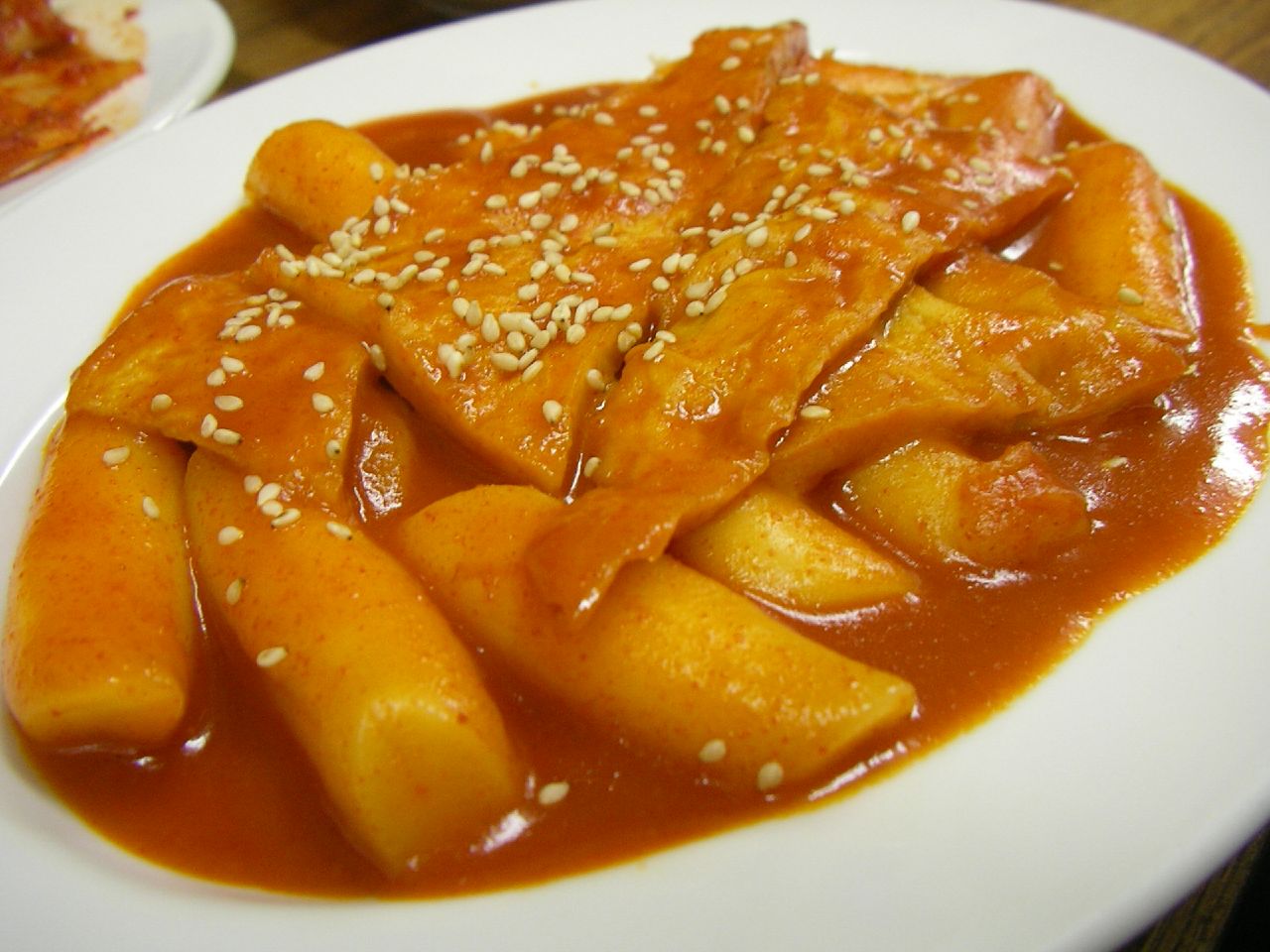 Street
Chewy rice cakes simmered in a sweet-spicy gochujang sauce, alongside hotteok, gimbap and fish-cake skewers from market stalls. Grab a paper cup and eat as you walk — it's the beating heart of Korean street food.
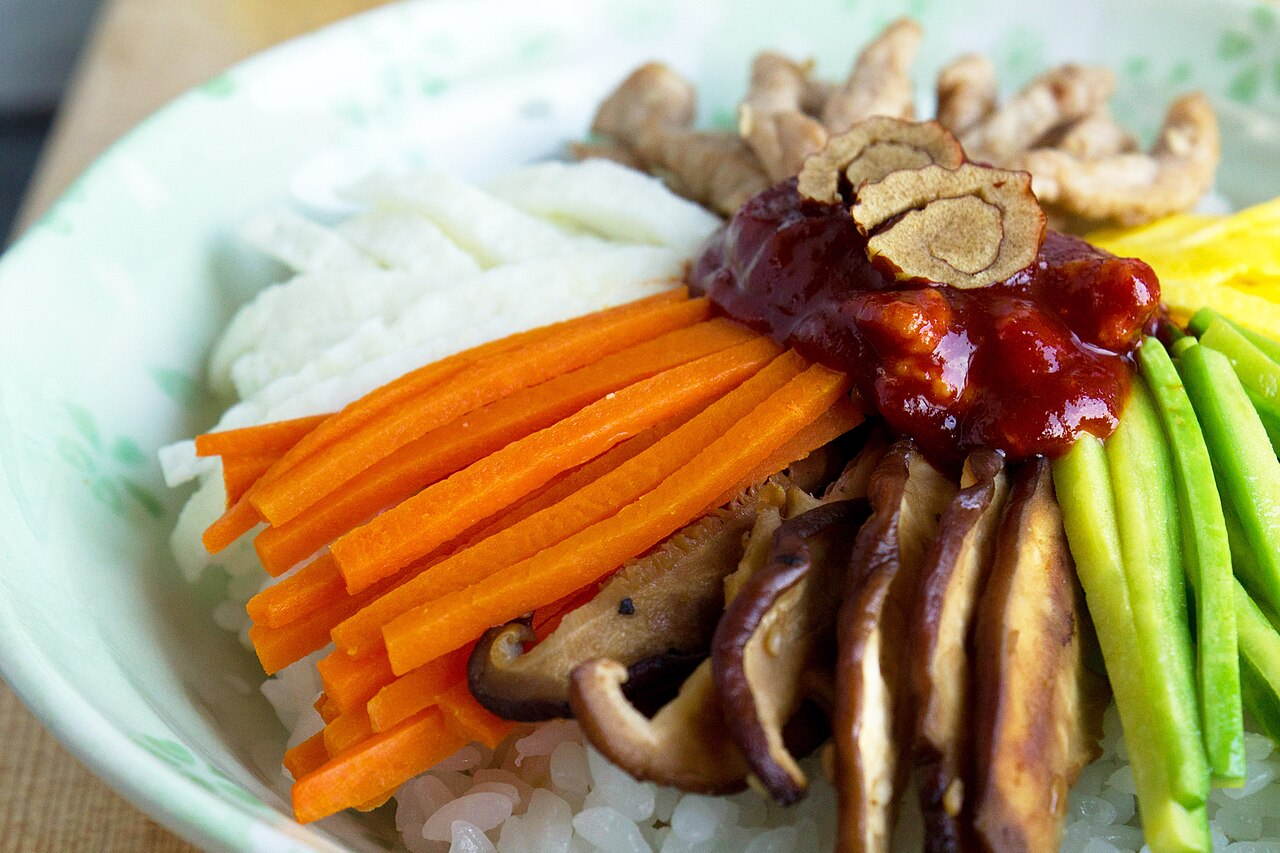 Classic
A rice bowl topped with seasoned vegetables, egg and gochujang — mix it all together before the first bite. The stone-bowl version, dolsot bibimbap, toasts a crispy rice crust onto the bottom.
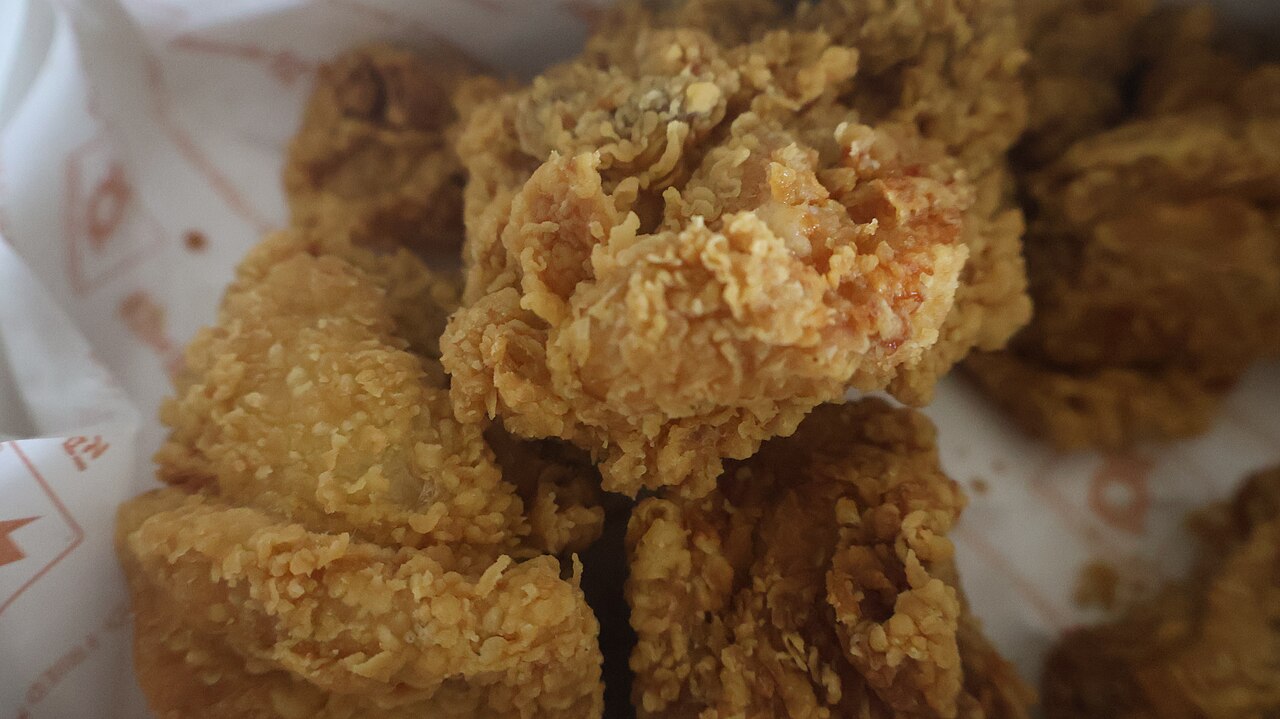 Icon
IconExtra-crispy double-fried chicken paired with cold beer — 'chi-maek' (chicken plus maekju) is a national pastime. Order it plain, in sticky-sweet yangnyeom sauce, or half-and-half to try both.
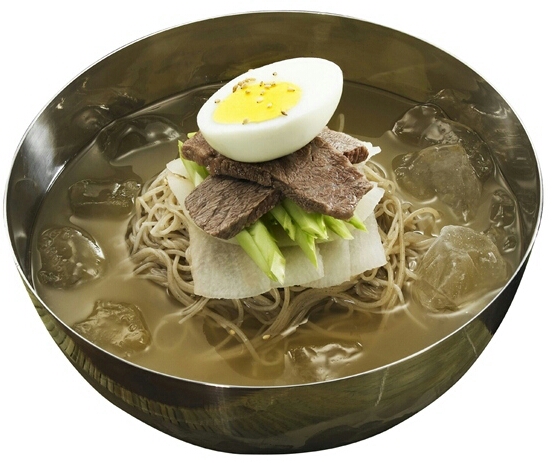 Summer
Chewy buckwheat noodles in an icy, tangy broth (mul-naengmyeon) or tossed in a fiery sauce (bibim-naengmyeon) — a refreshing summer favourite. Snip the noodles with the scissors provided, then add vinegar and mustard to taste.
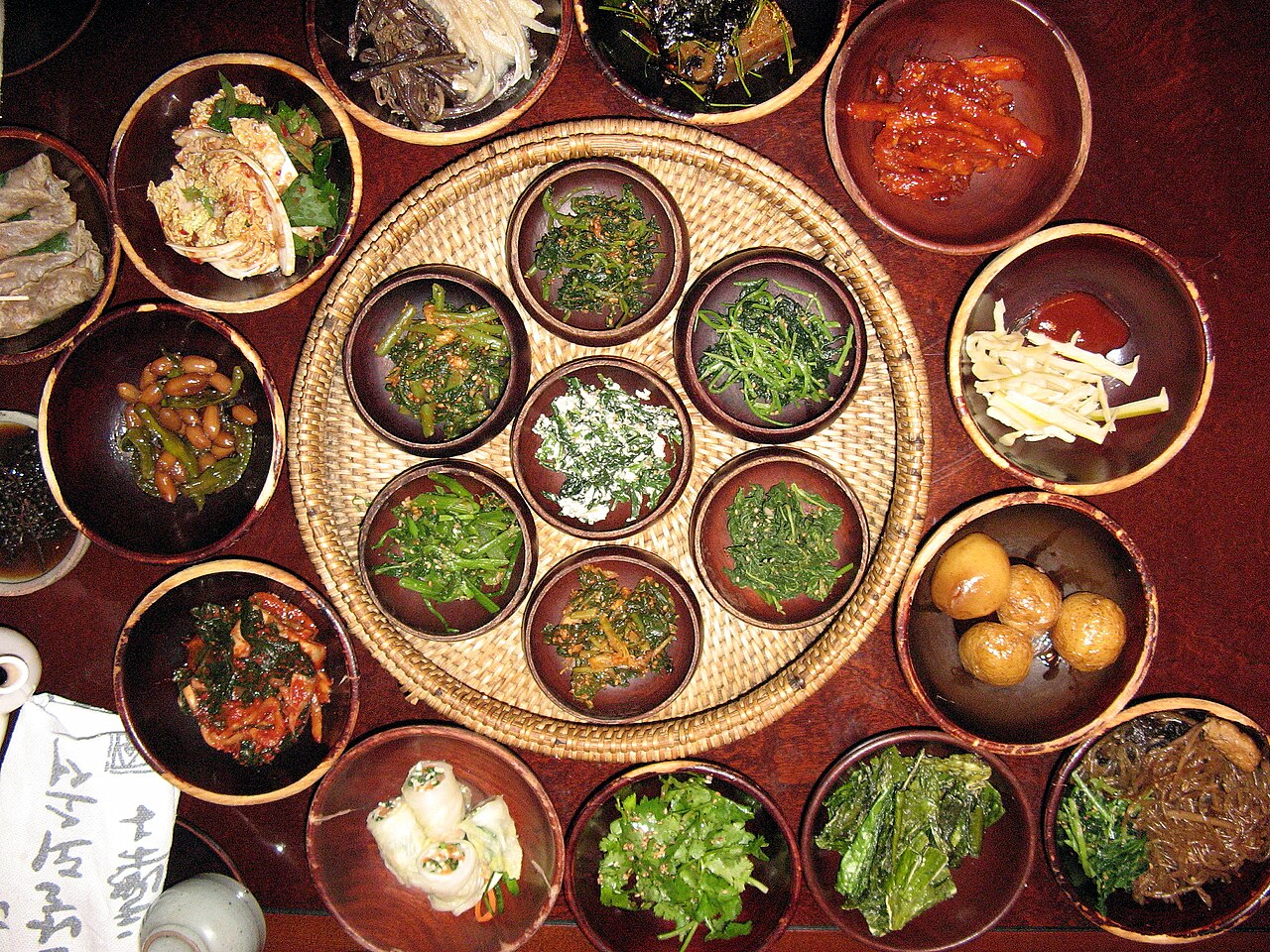 Diet
DietCertified-halal restaurants cluster around the mosque in Itaewon, while Buddhist temple food offers refined meat-free cooking. Vegetarian and vegan spots are growing citywide, though it helps to check menus in advance.
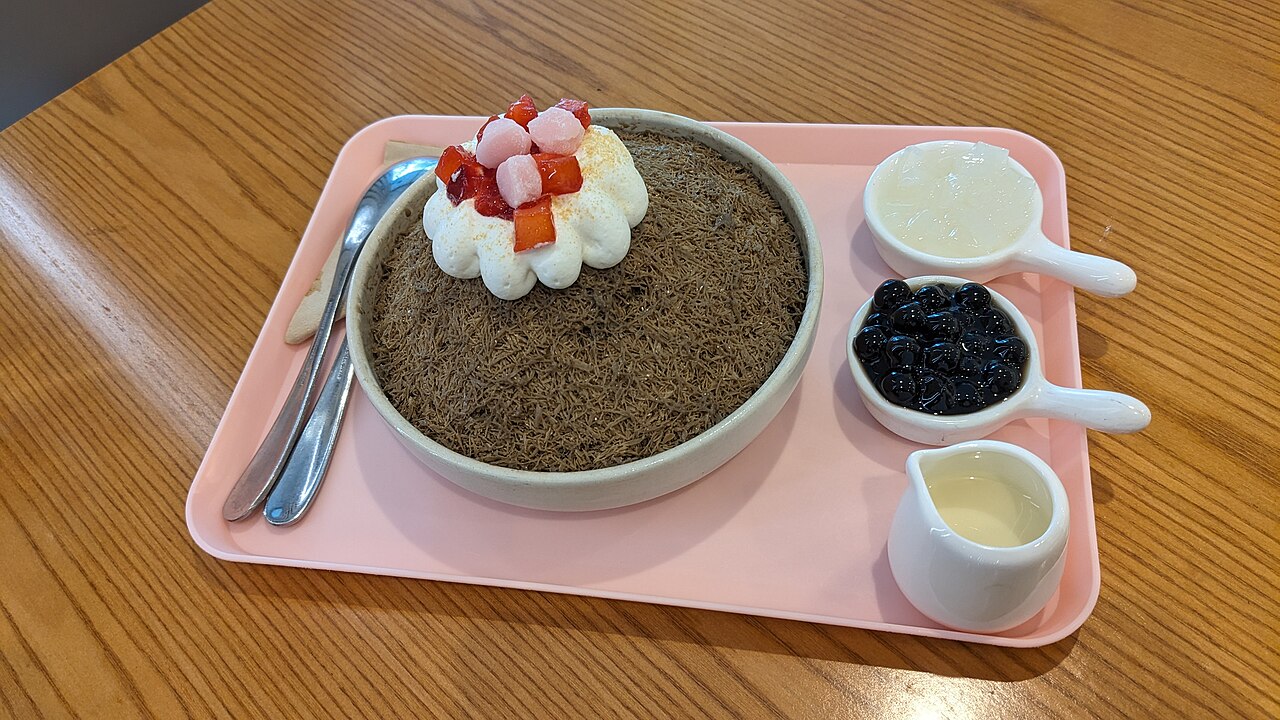 Cafe
CafeSpecialty coffee and inventive desserts fill converted warehouses in Seongsu, Seoul's trendiest cafe district. Come for the roasteries and photogenic interiors, and pair the visit with the neighbourhood's boutiques.
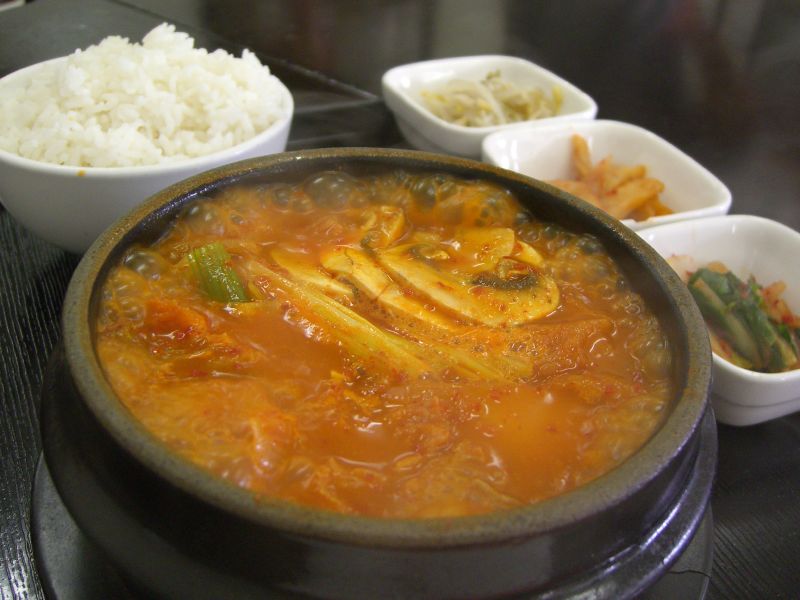 Comfort
Bubbling stews like kimchi-jjigae, doenjang-jjigae and budae-jjigae, plus quick bunsik snacks — hearty, cheap and everywhere. Served in a stone pot with rice and banchan, they're the everyday comfort meal Koreans eat most.
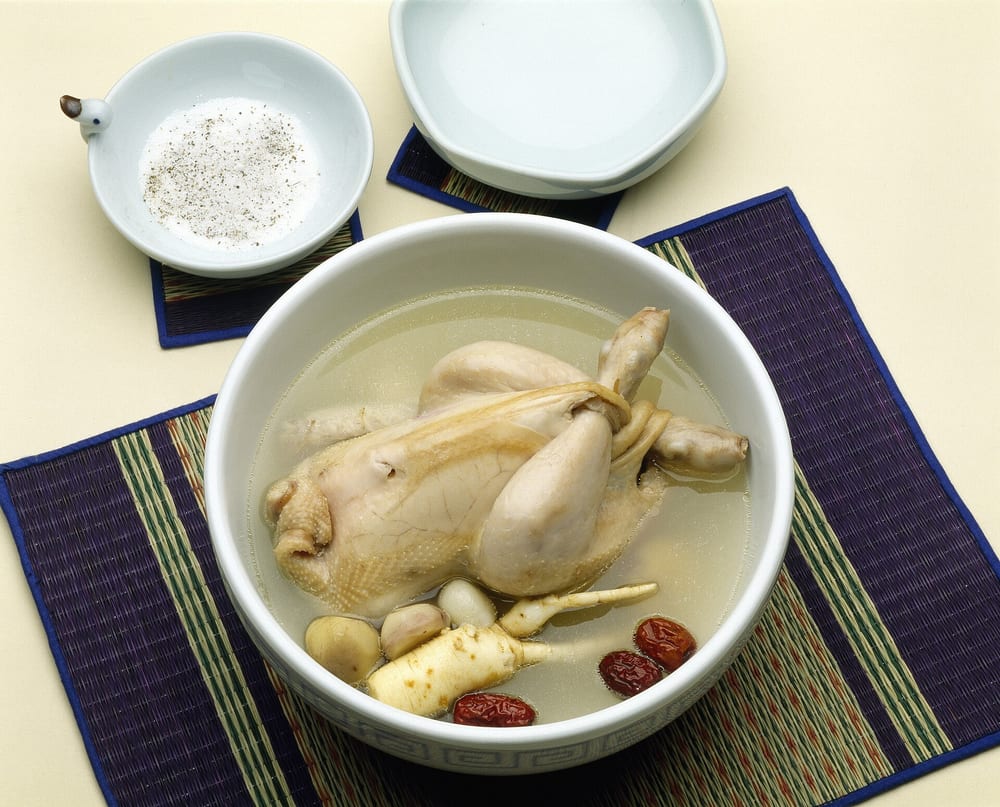 Restorative
A whole young chicken stuffed with rice, ginseng and garlic in a milky broth — a restorative summer classic.
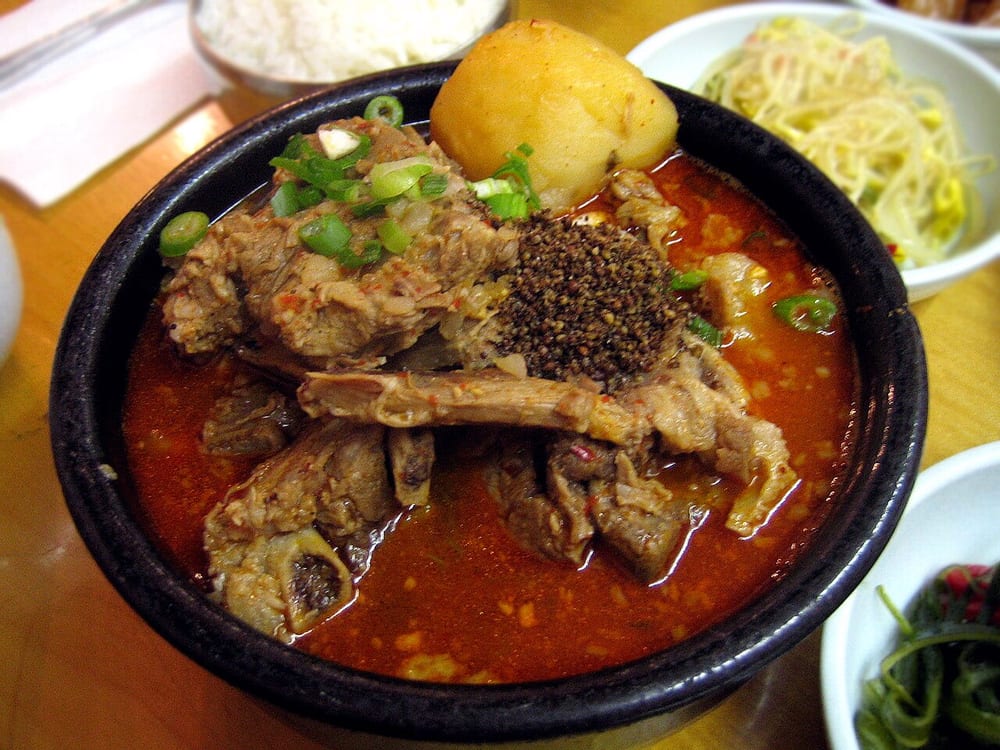 Hearty
A hearty, spicy pork-spine and potato stew simmered with perilla and greens — a late-night comfort favourite.
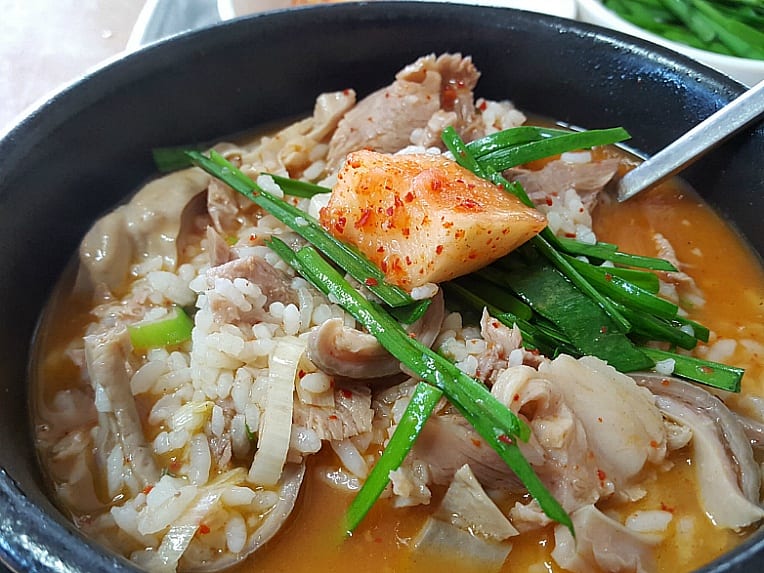 Busan
BusanBusan’s signature pork-and-rice soup — a warming bowl of broth, pork and rice you season to taste.
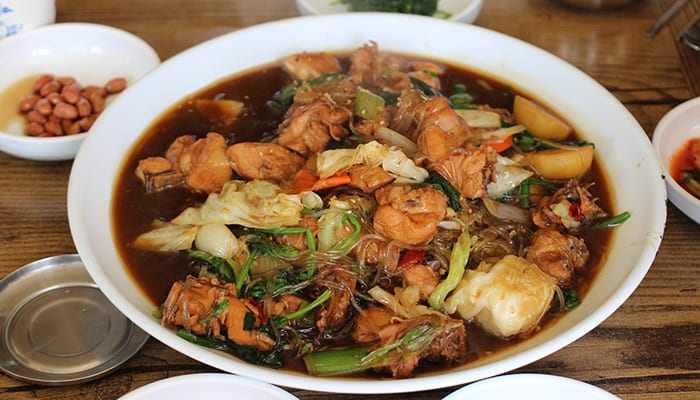 Andong
Andong-style braised chicken with glass noodles, potatoes and vegetables in a savoury-sweet soy sauce.
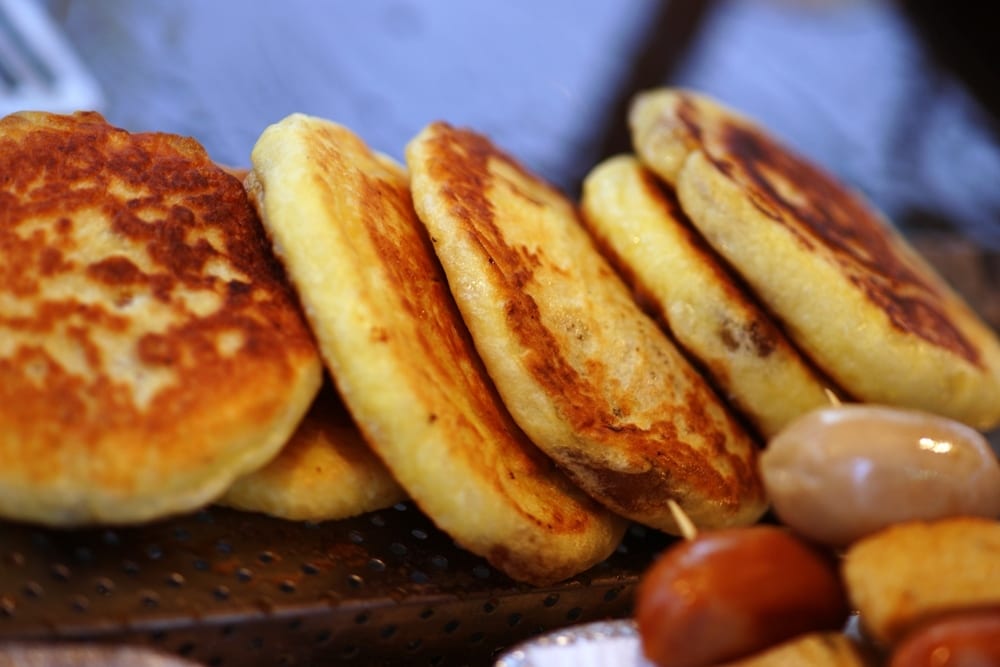 Street
A griddled street pancake filled with molten brown sugar, cinnamon and nuts — best in winter.
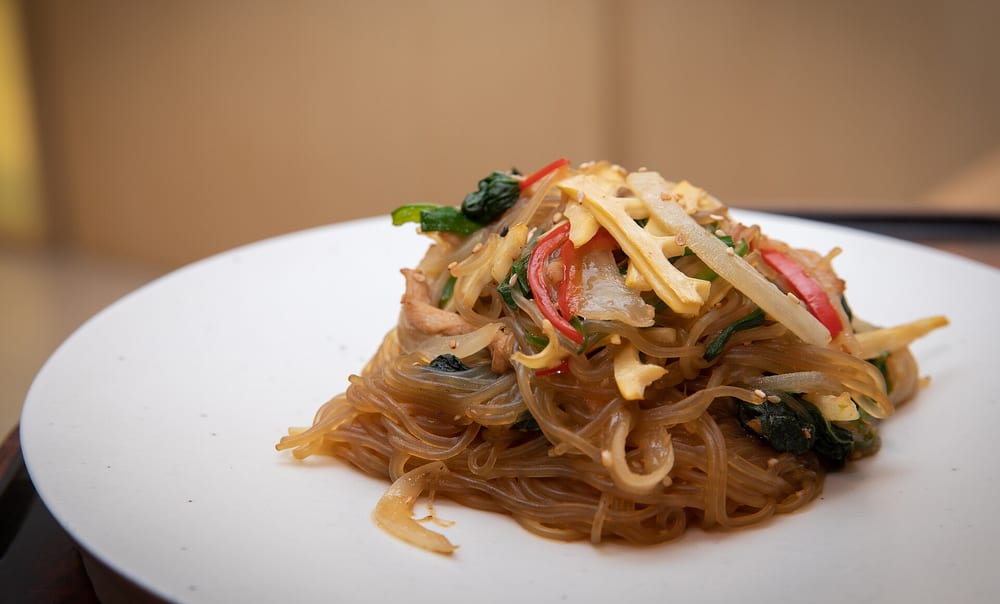 Classic
Chewy sweet-potato glass noodles stir-fried with vegetables and a touch of sesame — a party staple.
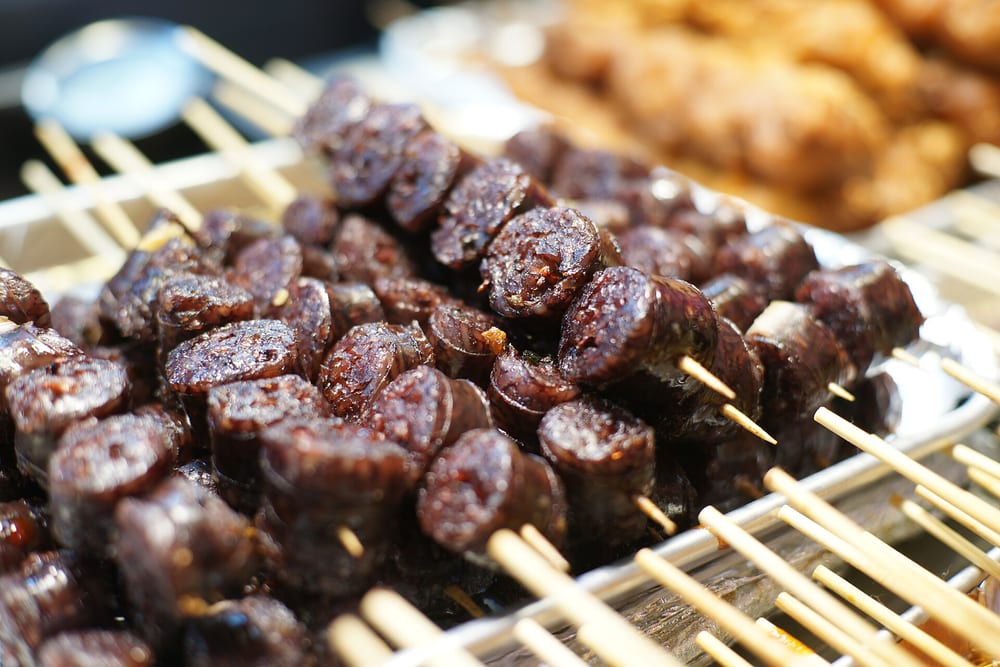 Street
Korean blood sausage stuffed with noodles and barley — a market and pojangmacha staple, often served with tteokbokki.
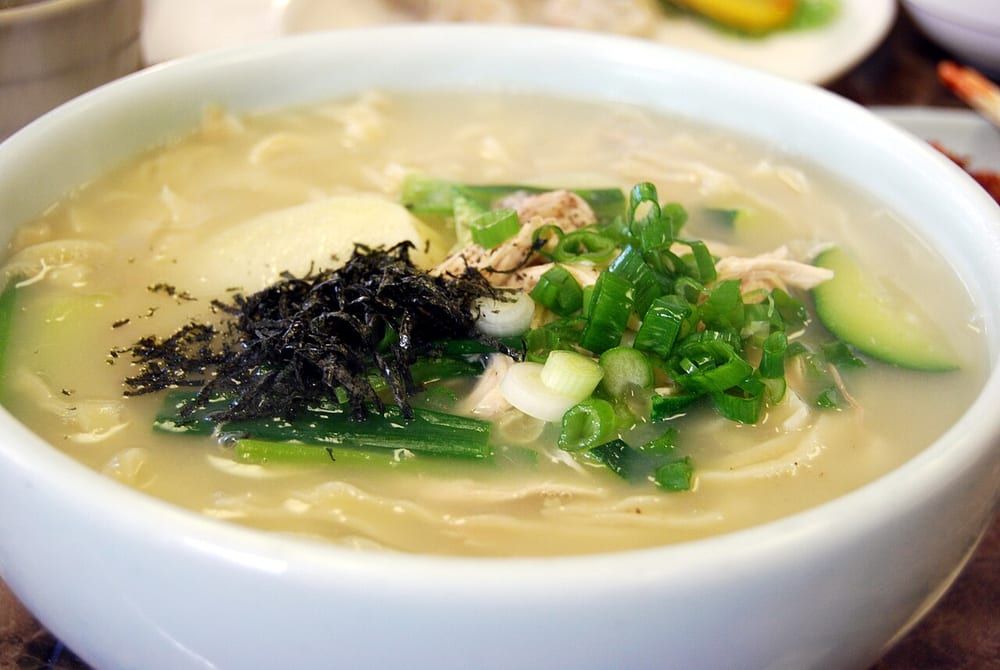 Comfort
Hand-cut wheat noodles in a warming broth of anchovy, chicken or clam — simple, comforting home cooking.
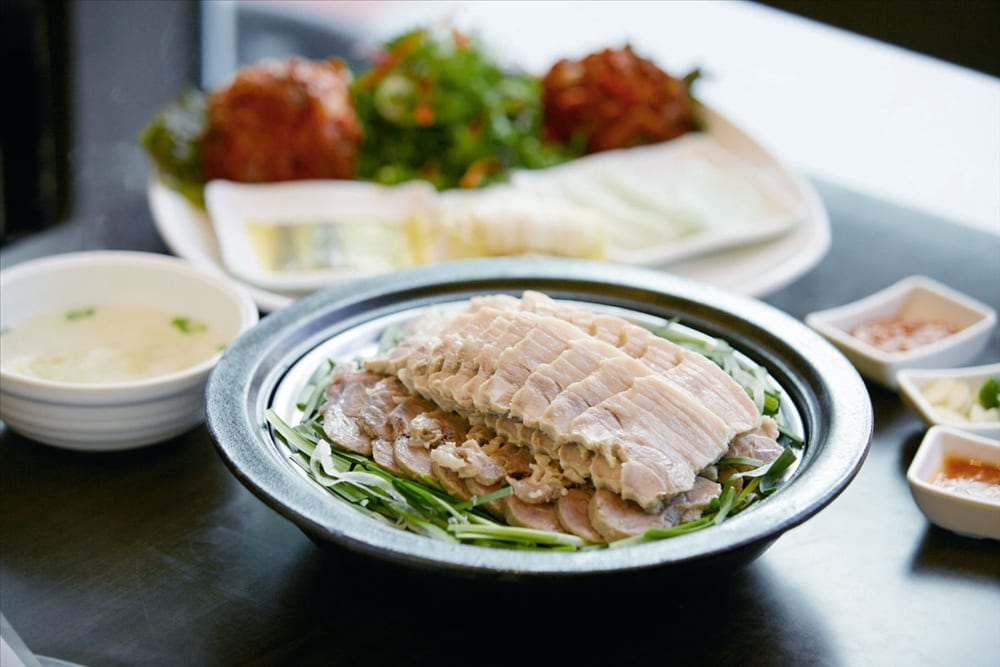 Pork
PorkTender boiled pork, sliced and wrapped in cabbage with salted shrimp, garlic and fresh kimchi.
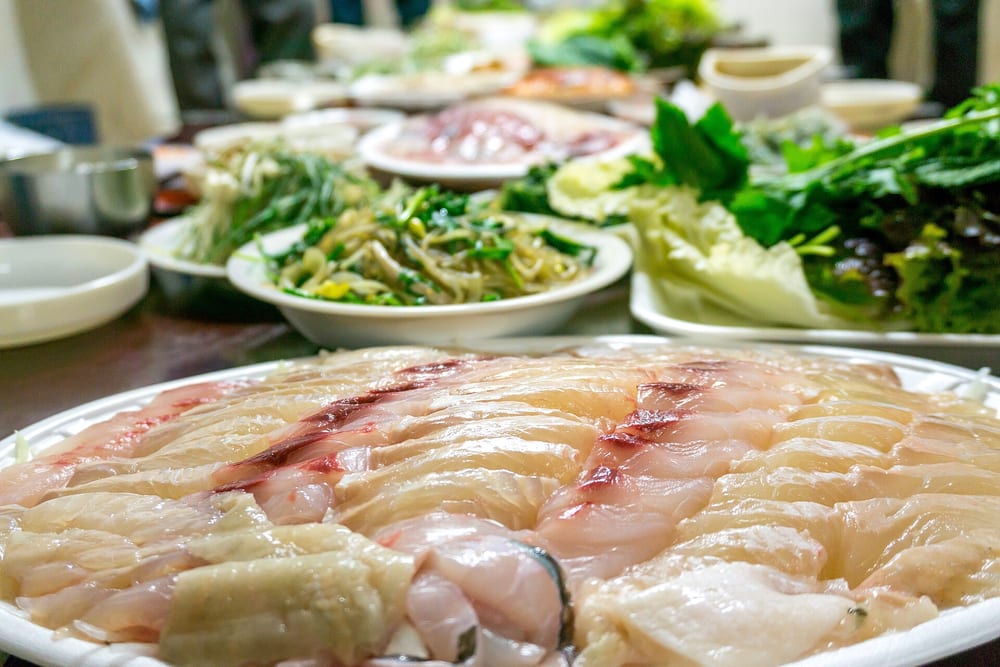 Seafood
Fresh raw fish, Korean-style and best by the coast — served with chogochujang or as a chilled mulhoe soup.
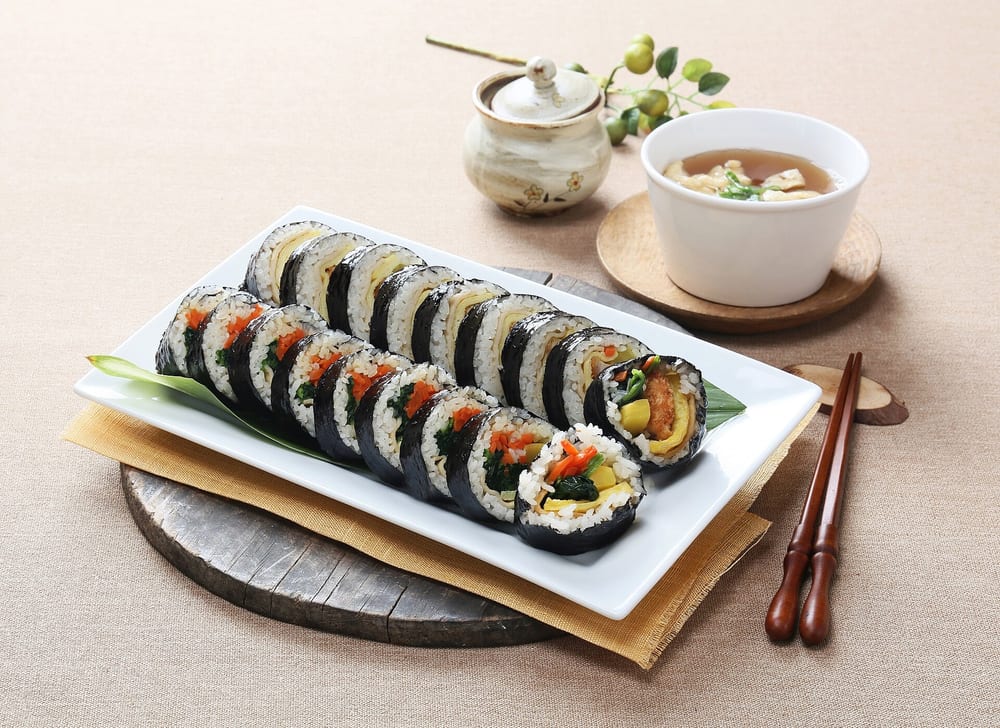 Cheap eats
Seaweed rice rolls packed with vegetables, egg and more — the cheap, portable classic for a quick meal or picnic.
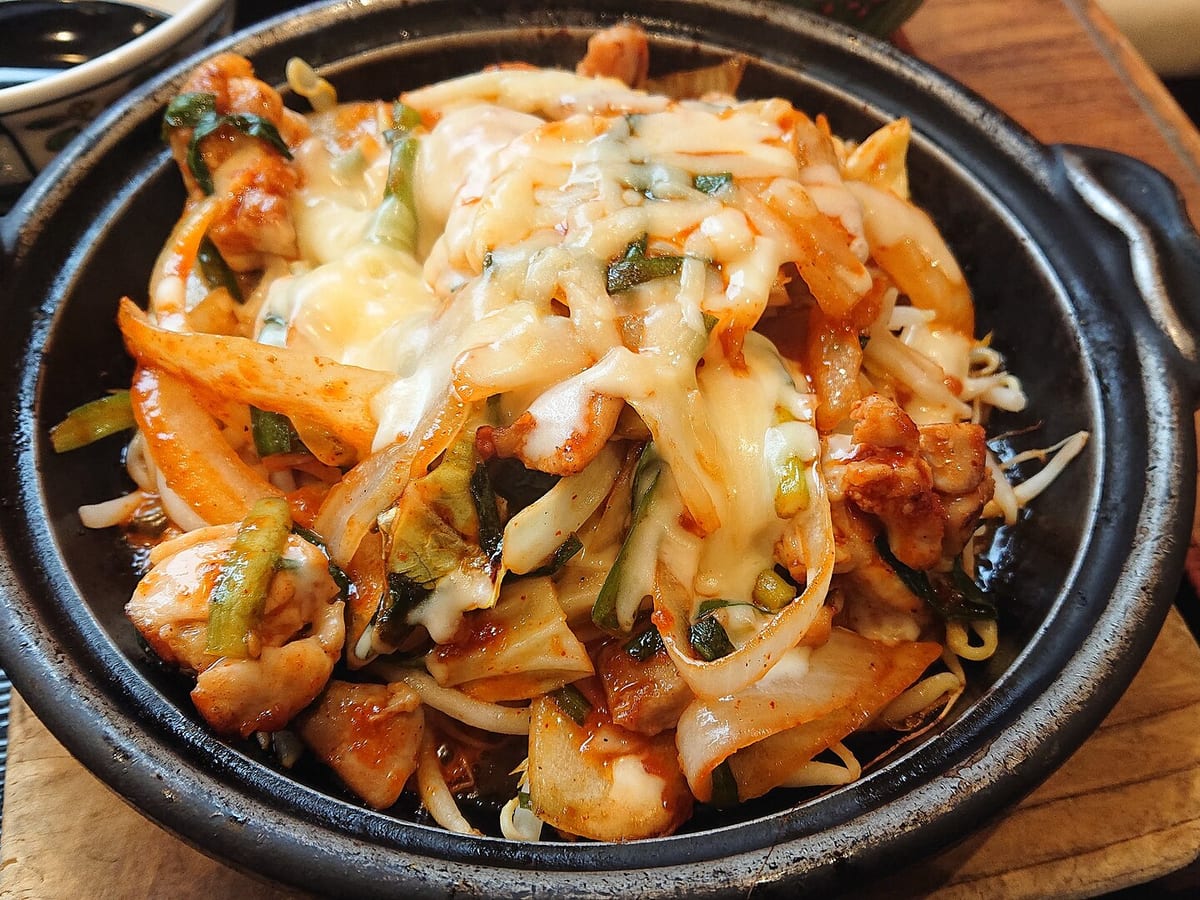 Chuncheon
Chicken, cabbage and rice cakes stir-fried in a sweet-spicy sauce on a hot plate — the cheese-topped version is a favourite. A Chuncheon speciality, great for sharing.
 Comfort
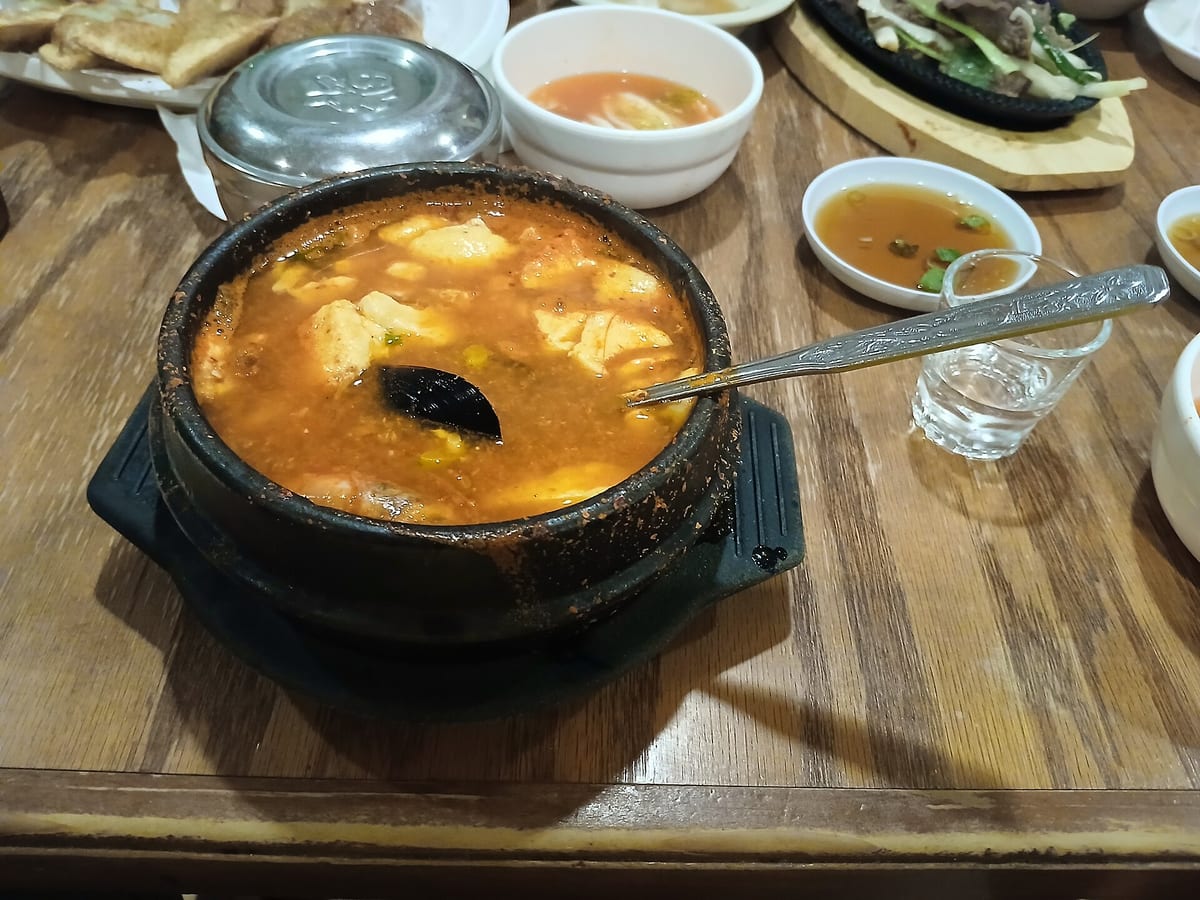
A bubbling, spicy stew of silky uncurdled tofu with seafood or pork, served with rice and often a raw egg cracked in at the table.
 Sharing
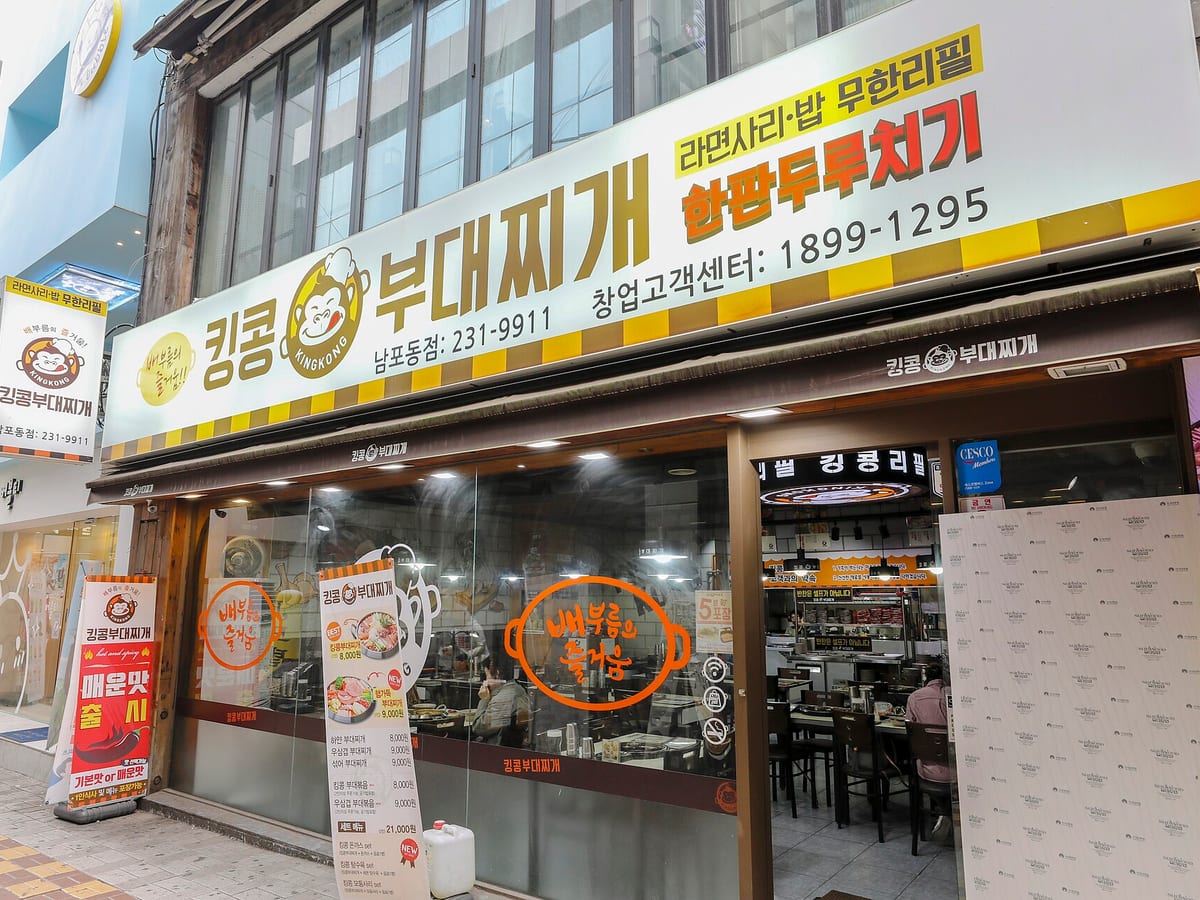
A hearty hot-pot of kimchi, sausage, ham, instant noodles and cheese in a spicy broth — a post-war invention that is now comfort food for groups.
 Delicacy
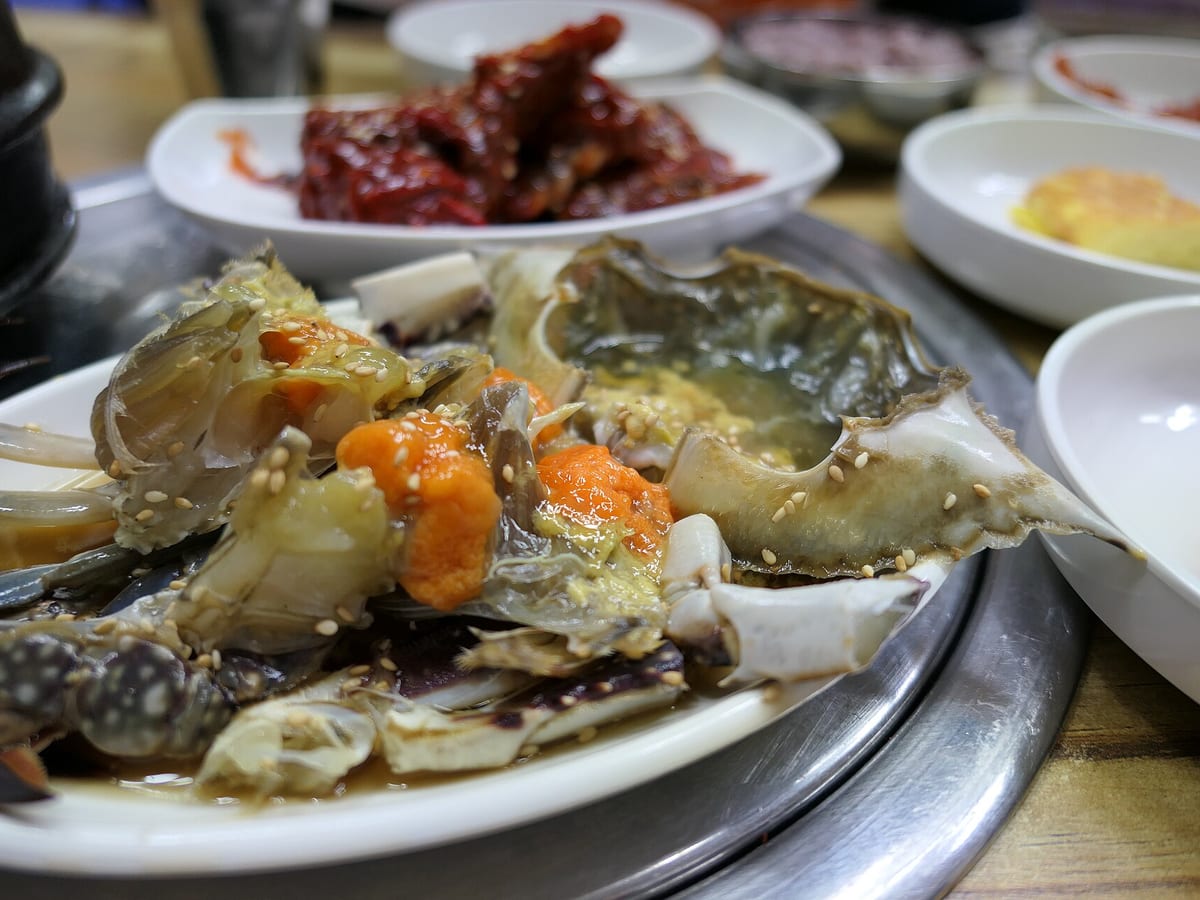
Raw crab marinated in soy sauce until silky and briny — nicknamed the 'rice thief' because it is so good with rice. An adventurous local favourite.
 Rainy day
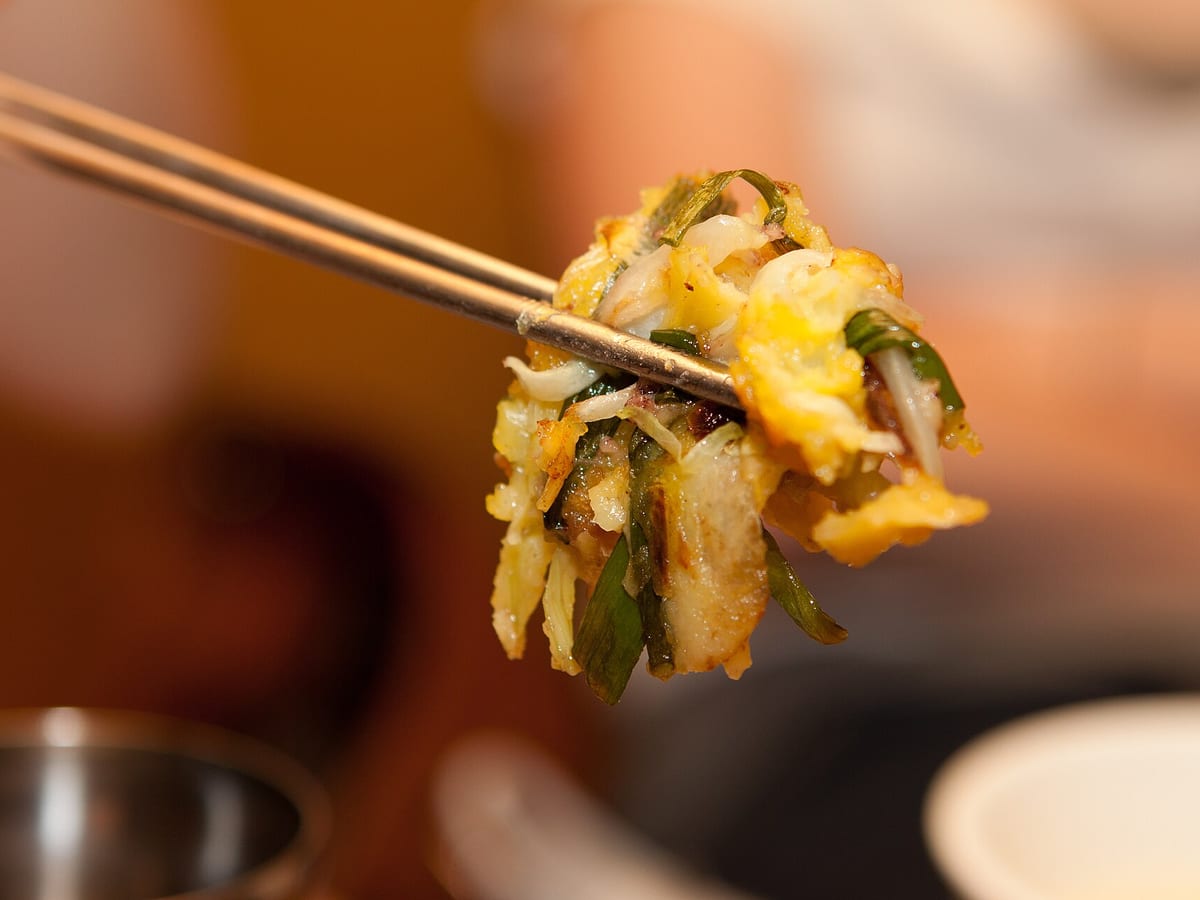
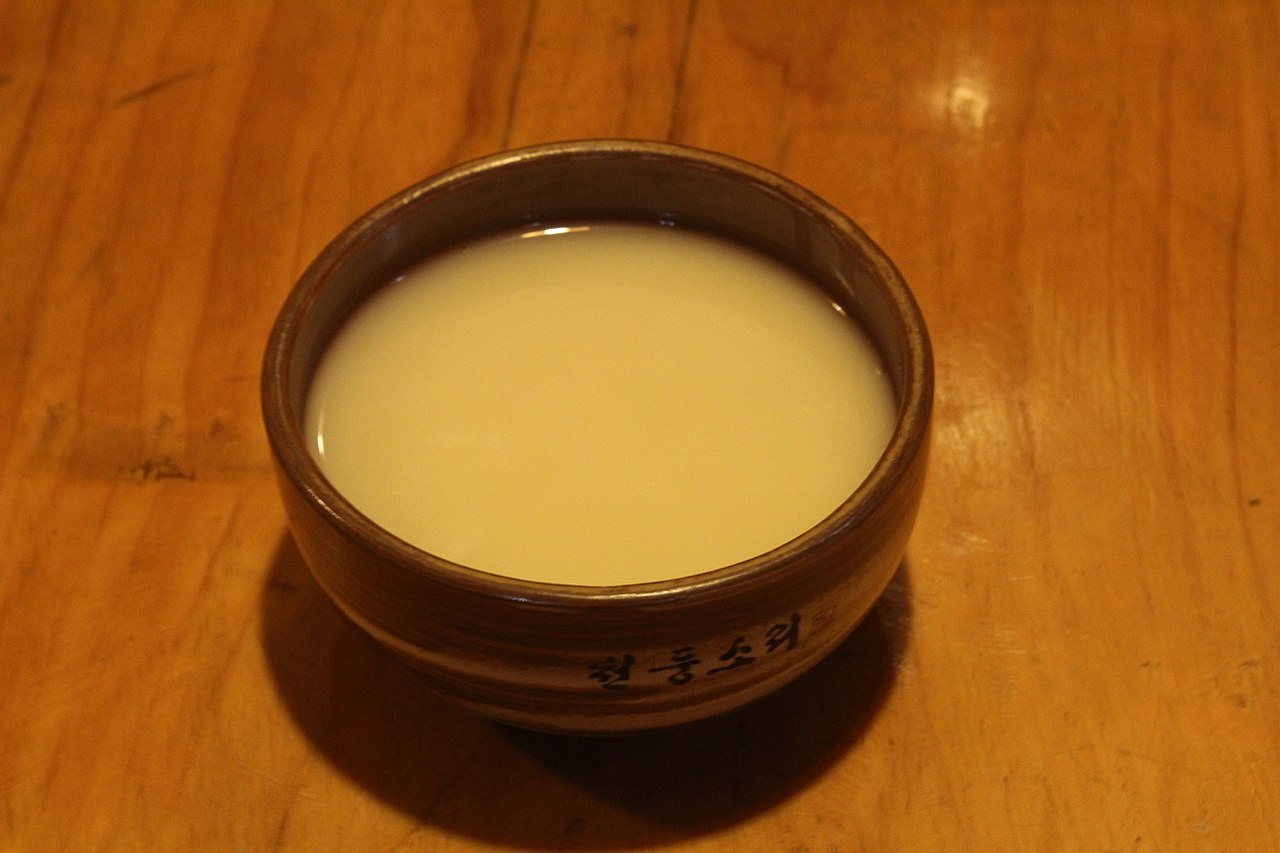
A crisp scallion pancake, often loaded with seafood (haemul-pajeon). Koreans love it with makgeolli rice wine, especially on a rainy day.
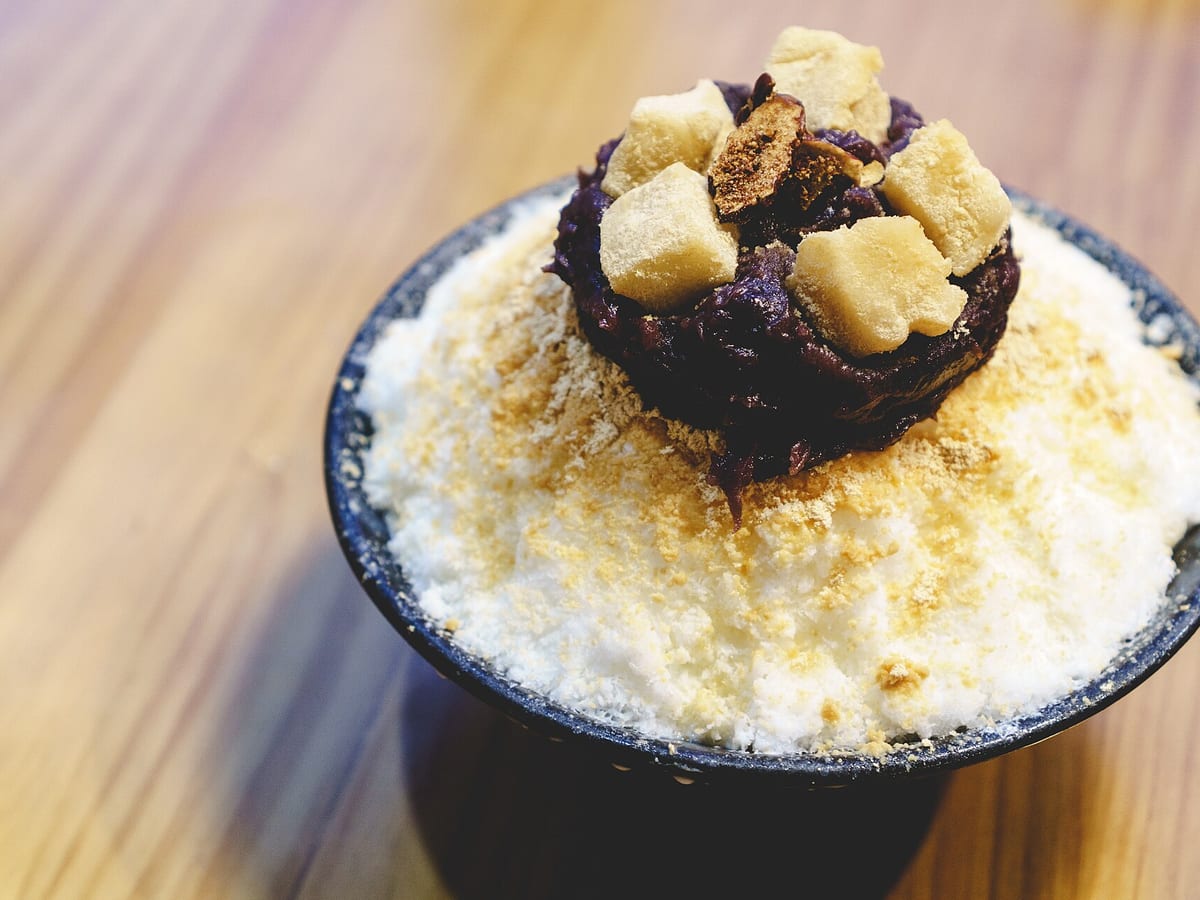 Dessert
A mountain of fine shaved ice topped with sweet red beans (patbingsu), fruit, condensed milk or matcha — the go-to summer dessert to share.
Korean dumplings stuffed with pork, tofu and vegetables — steamed, pan-fried, or dropped into soup as mandu-guk.
Pig's trotters slow-braised in soy and spices until tender, sliced and eaten with salted-shrimp sauce and lettuce wraps.
Silky hand-cut raw beef seasoned with sesame oil and pear, often topped with an egg yolk — Korea's take on tartare.
A milky ox-bone broth simmered for hours, served with rice and noodles — you season it yourself with salt and spring onion.
Chilled noodles in a cool, nutty soybean broth — a refreshing summer dish, usually eaten with a pinch of salt.
Beef or pork intestines grilled at the table until crisp and smoky — a rich, much-loved dish to share over drinks.
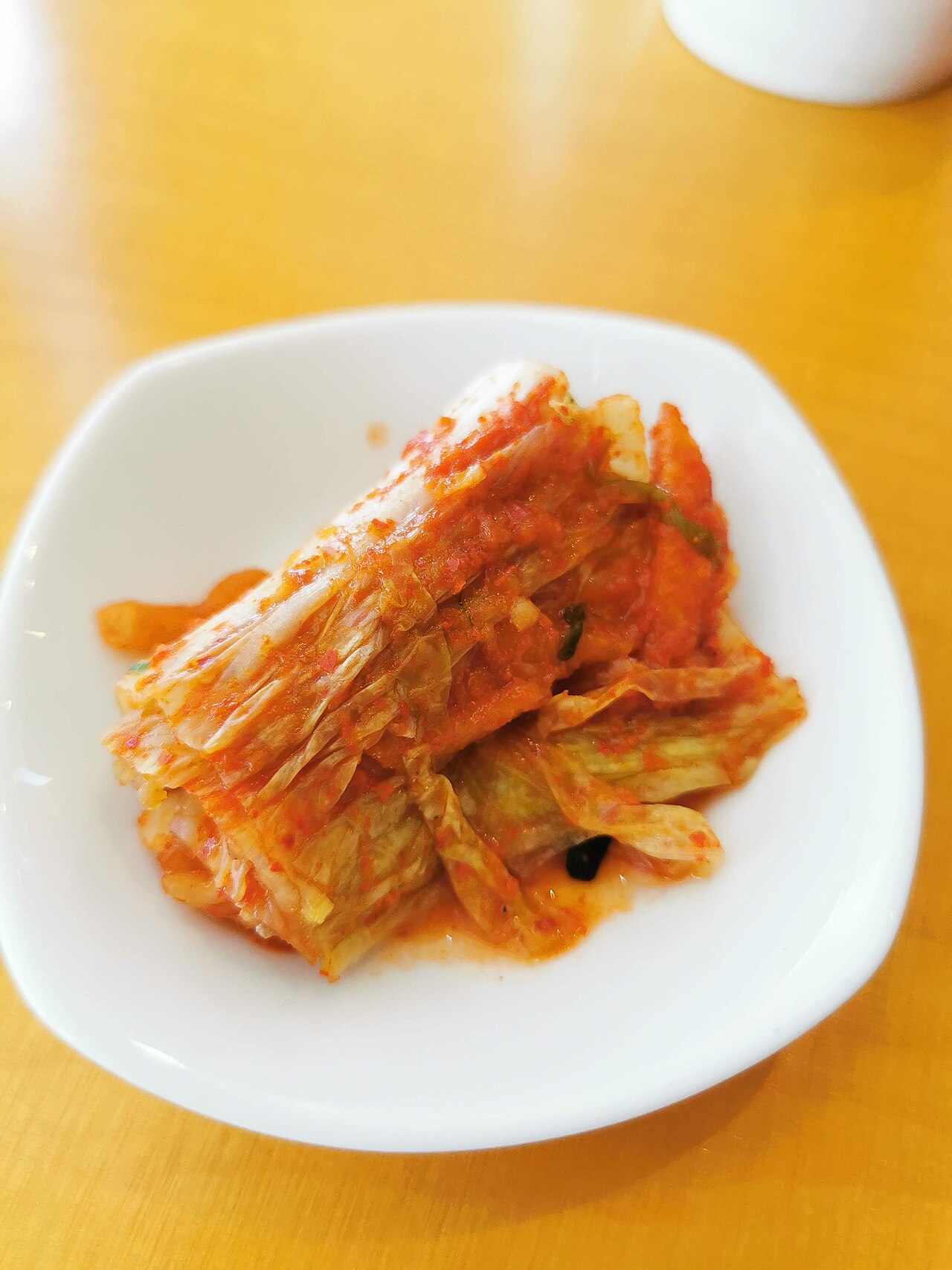 Hands-on
Make and pack your own kimchi to take home; classes typically run with an English guide.
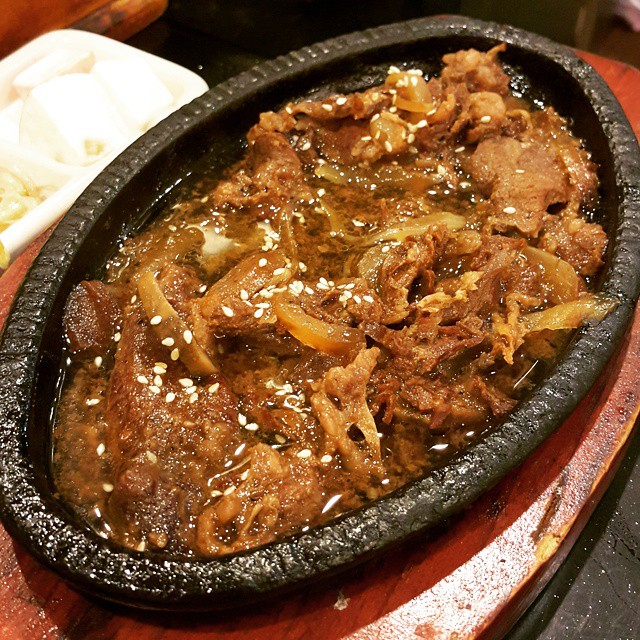 Cooking
Cook a full Korean meal from scratch with a chef, then eat what you made.
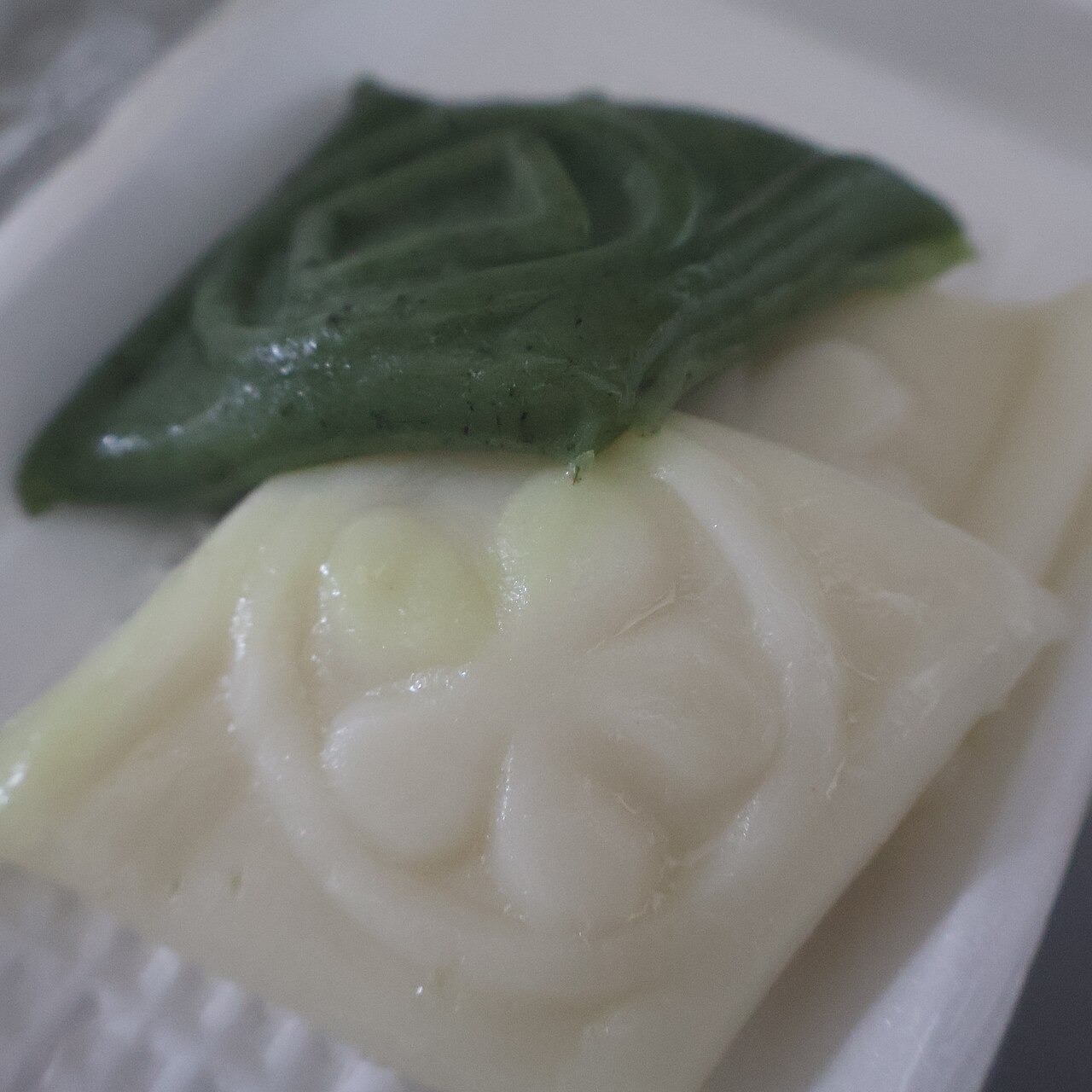 Traditional
Shape colorful traditional rice cakes — family-friendly and hands-on.
 19+
19+Learn to brew and taste Korean rice wine, usually with pairing snacks.
ⓘ Some links here are partner links — if you book through them we may earn a small commission, at no extra cost to you. We only list services we'd point a friend to.
Every region has its own signature dish. Tap a city to see where to stay nearby.
Busan's beloved pork-and-rice soup — a milky pork-bone broth you season yourself with salted shrimp, chives and rice. Cheap, filling and open late.
🏨 Busan →Jeju's prized black-pig pork, grilled thick and dipped in salted-anchovy sauce. Richer and chewier than mainland pork.
🏨 Jeju →The definitive bibimbap — rice crowned with dozens of seasoned vegetables, beef, egg yolk and gochujang in a brass bowl. Jeonju is its spiritual home.
🏨 Jeonju →Chicken braised with glass noodles, potato and vegetables in a sweet-savoury soy sauce, big enough to share. Born in Andong's old market.
🏨 Andong →Silky soft tofu set with clean East-Sea seawater instead of brine — the specialty of Gangneung's Chodang village, served warm and delicate.
🏨 Gangneung →Grilled pork or beef intestines, chewy and smoky, dipped in a garlicky doenjang sauce — a Daegu drinking-food institution.
🏨 Daegu →Sweet, shatter-crisp double-fried chicken from Sokcho's Jungang Market — sold by the boxful and famous nationwide.
🏨 Sokcho →Tiny plain seaweed rice rolls served with spicy squid and radish kimchi on the side — Tongyeong's portable harbour snack.
🏨 Tongyeong →Suwon's oversized marinated beef short ribs, butterflied and grilled over charcoal — a local specialty for generations.
🏨 Suwon →Minced short-rib meat shaped into patties and grilled until caramelised — a refined southern specialty around Gwangju and Damyang.
🏨 Gwangju →A thin-skinned pastry packed with sweet red-bean paste, baked in Gyeongju's old Hwangnam district — the city's classic edible souvenir.
🏨 Gyeongju →Raw blue crab marinated in soy sauce until silky — the 'rice thief' that empties your bowl. Yeosu's southern coast is famous for it.
🏨 Yeosu →